Unlocking the Potential of Machined Plastic Components in Modern Engineering
The Role of CNC Machining in Plastic Fabrication
Understanding CNC Machinery and Its Applications
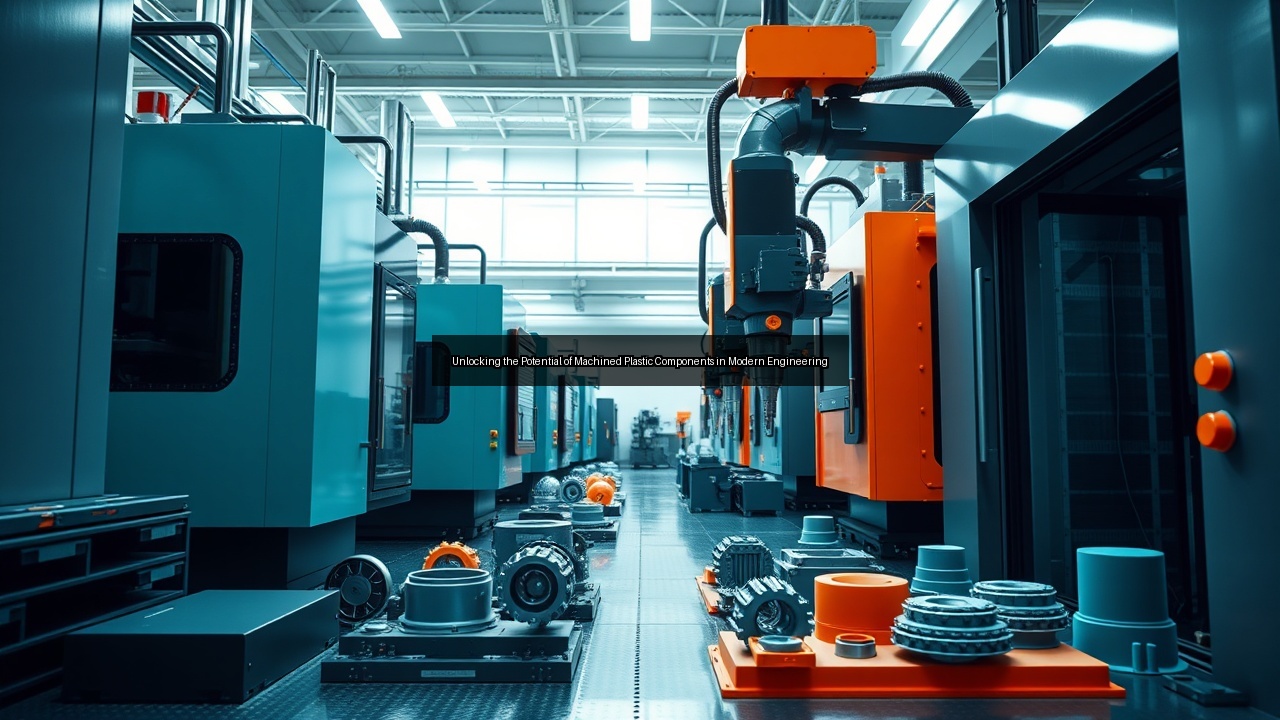
CNC machining stands at the forefront of modern manufacturing technology, revolutionizing the way industries create machined plastic components. CNC, or Computer Numerical Control, allows for precise automation of machine tools through programmed commands. This technology excels in producing plastic parts with intricate designs and complex geometries, making it indispensable for industries ranging from automotive to aerospace. CNC machinery operates with remarkable accuracy, driving down production time while enhancing quality. It enables machinists to create components that adhere to strict specifications and tolerances, ensuring that every part meets the exacting standards required for high-performance applications. The ability to automate processes also minimizes human error, further solidifying CNC machining's role in plastic fabrication.
Advantages of CNC Machined Plastic Components
CNC machined plastic components offer numerous advantages over traditional manufacturing methods. First and foremost, the precision of CNC technology results in parts that achieve tight tolerances, essential for applications where fit and function are critical. Additionally, CNC machining allows for rapid prototyping, enabling engineers to test designs quickly and efficiently. The versatility of CNC machinery means it can work with a wide range of engineering plastics, from ABS to PEEK, each providing unique properties suitable for different applications. Moreover, the automation involved in CNC machining enhances production efficiency and reduces labor costs, making it a cost-effective solution for both small-scale and batch production. This combination of precision, flexibility, and efficiency positions CNC machined plastic components as a preferred choice in modern engineering.
Key Specifications and Tolerances in Plastic Machining
When it comes to CNC machining of plastic, understanding key specifications and tolerances is crucial for the success of any project. Each engineering plastic possesses unique characteristics that dictate the machining parameters, including cutting speed, feed rate, and tooling choice. Tolerances are critical in ensuring that machined components fit together correctly and function as intended. Standard tolerances for plastic parts often range from ±0.005 inches to ±0.015 inches, depending on the material and application. Factors like thermal expansion and material deformation during machining must also be considered, as they can impact the final dimensions of the machined plastic parts. A skilled machinist understands these nuances and can adjust machining processes accordingly, ensuring that the final product meets both functional and aesthetic requirements.
Engineering Plastics: The Backbone of Modern Design
Types of Engineering Plastics Used in Machining
Engineering plastics form the backbone of many modern designs, providing superior mechanical properties and versatility. Common types of engineering plastics used in CNC machining include Nylon, Polycarbonate, and Acetal. Nylon is celebrated for its strength, wear resistance, and low friction properties, making it ideal for gears and bearings. Polycarbonate offers exceptional impact resistance and clarity, suitable for applications demanding transparency and durability. Acetal, with its low moisture absorption and high dimensional stability, is perfect for precision parts. Each of these materials can be effectively machined into intricate components, showcasing the adaptability of CNC technology in processing various engineering plastics. The choice of plastic significantly influences the performance and lifespan of the machined components, emphasizing the importance of selecting the right material for specific engineering challenges.
Comparing Machined Plastics with Traditional Materials
Machined plastics stand out when compared to traditional materials like metals. While metals are often favored for their strength, they come with drawbacks such as weight and susceptibility to corrosion. Machined plastic components, on the other hand, offer a lightweight alternative that resists corrosion and plastic cnc machined components chemical degradation. This makes them particularly valuable in environments where exposure to harsh chemicals is a concern. Furthermore, plastics can be molded into complex shapes without the need for additional machining processes, which can save time and costs. The insulating properties of plastics also plastic cnc machined components make them excellent choices for electrical applications. As industries move towards more sustainable practices, the ability to recycle and repurpose engineering plastics enhances their appeal, further solidifying their place in modern engineering applications.
The Impact of Composites on Machined Plastic Components
Composites have transformed the landscape of machined plastic components, enhancing performance characteristics beyond what conventional plastics can offer. By combining engineering plastics with reinforcing materials such as glass or carbon fibers, manufacturers create composites that exhibit increased strength, stiffness, and thermal stability. These advanced materials can withstand higher loads and are less prone to deformation under stress, making them ideal for demanding applications. The integration of composites into CNC machining processes has unlocked new possibilities for design, allowing for the production of lightweight components without compromising on durability. As technology advances, the development of new composite materials promises even greater enhancements, pushing the boundaries of what machined plastic components can achieve.
Precision and Quality in Machined Plastic Parts
Importance of Surface Finishing and Treatment
Surface finishing and treatment play a pivotal role in the quality of machined plastic parts. The machining process itself can leave surfaces with rough edges and imperfections that may affect the performance and aesthetics of the final product. Techniques such as sanding, polishing, and chemical smoothing significantly improve the surface quality, enhancing both the visual appeal and functional performance. Surface treatments, including coatings and UV stabilization, can further protect machined plastic components from environmental factors like UV radiation and moisture. By investing in proper surface finishing, manufacturers not only enhance the durability of the components but also ensure they meet the specific requirements of their application environments, thus maximizing customer satisfaction.
Batch Production: Scaling Up for Demand
Batch production of machined plastic components presents a strategic approach for manufacturers looking to meet increasing demand while maintaining quality. CNC machining allows for seamless scalability, where a single design can be replicated with high precision across multiple units. This capability is especially beneficial plastic cnc machined components for companies that experience fluctuating order volumes. By optimizing the machining process and utilizing efficient tooling, manufacturers can reduce lead times and lower production costs while ensuring that each batch meets the required specifications and tolerances. Additionally, the ability to produce large quantities of machined components swiftly ensures that businesses can respond to market demands without compromising on quality, thus enhancing their competitive edge.
Selecting a Reliable Manufacturer for Machined Components
Choosing the right manufacturer for machined plastic components significantly influences the success of any engineering project. Companies must consider a manufacturer's experience, technology capabilities, and quality assurance practices. A reliable manufacturer utilizes state-of-the-art CNC machinery and employs skilled machinists who understand the nuances of working with various engineering plastics. Furthermore, a commitment to quality control ensures that each machined part adheres to the specified dimensions and tolerances. Manufacturers with a proven track record and positive customer reviews often provide the best assurance of reliability. Establishing a partnership with a reputable manufacturer not only streamlines production but also fosters innovation and collaboration, ultimately leading to superior machined plastic components that meet the evolving needs of modern engineering.