Enhancing Indoor Air Quality with Dedicated Outdoor Air Systems
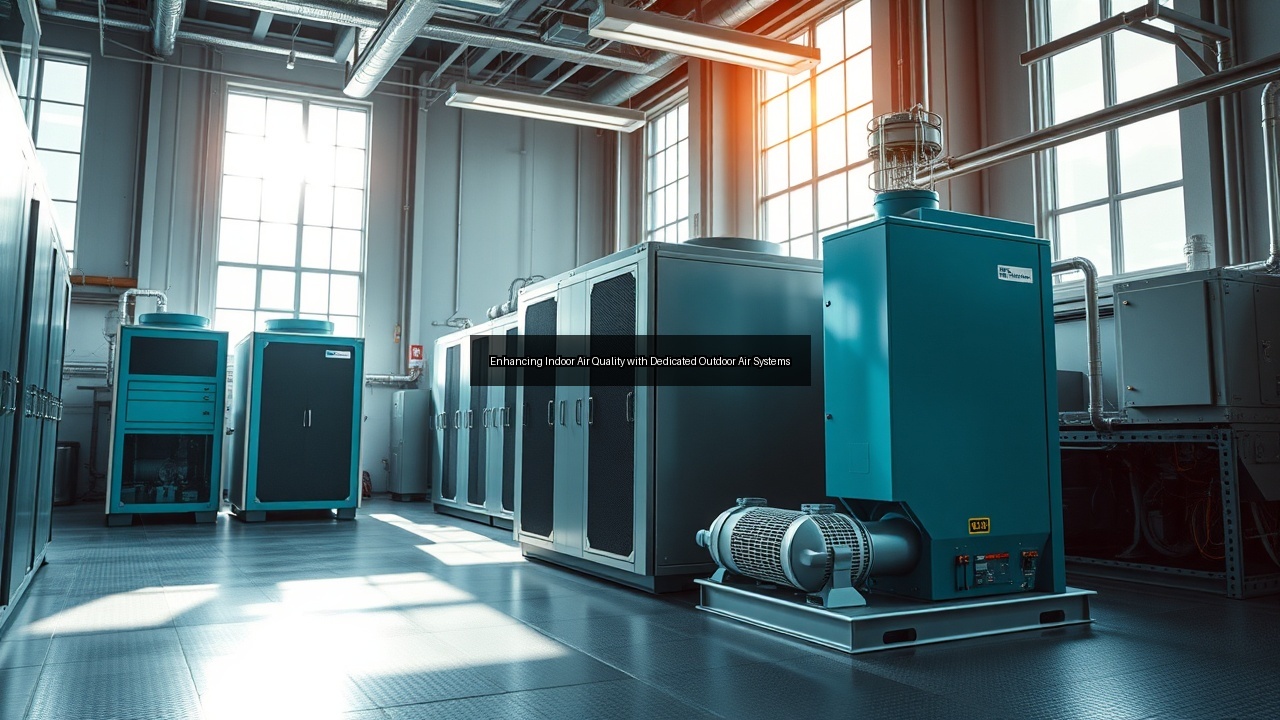
Understanding Dedicated Outdoor Air Systems (DOAS)
What is a Dedicated Outdoor Air System?
A dedicated outdoor air system (DOAS) is a specialized HVAC solution designed to bring fresh outdoor air directly into a building. Unlike traditional air conditioning systems that often recycle indoor air, a DOAS focuses on delivering a consistent volume of conditioned outdoor air to enhance indoor air quality. This approach mitigates issues related to stale air, excessive humidity, and carbon dioxide buildup, which can negatively impact occupant health and comfort. By ensuring a steady flow of fresh air, a dedicated outdoor air system effectively supports ventilation needs while working in tandem with existing heating and cooling systems.
Key Components of DOAS
Dedicated outdoor air systems consist of several essential components that work collaboratively to maintain optimal air quality. First, the outdoor air intake allows fresh air to enter the system, while filters remove particulate matter and contaminants. Next, a dedicated air handling unit conditions the incoming air by adjusting its temperature and humidity levels to meet indoor requirements. Additionally, a heat recovery ventilator (HRV) or energy recovery ventilator (ERV) may be integrated to enhance energy efficiency by transferring heat between incoming and outgoing air. Finally, a robust control interface ensures precise calibration and management of airflow, allowing for real-time adjustments based on occupancy and environmental conditions.
The Role of Outdoor Air in Indoor Air Quality
Outdoor air plays a crucial role in maintaining high indoor air quality. Pollutants such as volatile organic compounds (VOCs) and particulate matter can accumulate in indoor environments, leading to health concerns like respiratory issues and allergies. A dedicated outdoor air system effectively dilutes these pollutants by introducing fresh air, which reduces the concentration of harmful substances. Furthermore, the system helps maintain balanced humidity levels, preventing mold growth and improving overall comfort. In industries like oil and gas, where air quality is paramount, implementing a DOAS ensures compliance with health regulations and enhances worker safety.
Benefits of Dedicated Outdoor Air Systems
Enhanced Air Quality and Health
One of the primary advantages of dedicated outdoor air systems is the significant improvement in air quality. By consistently introducing fresh outdoor air, DOAS minimizes indoor air pollutants and reduces the risk of health issues related to poor ventilation. Enhanced air quality translates into better overall well-being for occupants, promoting higher productivity levels and fewer sick days. In settings such as schools and offices, where large groups of people congregate, the health benefits of a dedicated outdoor air system become even more pronounced. Additionally, the system's ability to manage humidity levels helps prevent mold and mildew, further safeguarding the health of building occupants.
Energy Efficiency and Cost-Effectiveness
Dedicated outdoor air systems also contribute significantly to energy efficiency. By optimizing the balance of heating and cooling needs, these systems reduce the strain on traditional HVAC units, which can lead to lower energy consumption and operational costs. The integration of heat recovery technologies allows DOAS to reclaim energy from exhaust air, further enhancing efficiency. Companies that invest in these systems often experience a notable return on investment through reduced utility bills and lower maintenance costs. The three-phase power configuration commonly used in DOAS ensures reliable operation, adding to its cost-effectiveness over time.
Reliability in Various Applications
Dedicated outdoor air systems demonstrate remarkable reliability across different applications. Whether in commercial buildings, healthcare facilities, or industrial environments, DOAS can adapt to the unique demands of each setting. For example, in server rooms, maintaining optimal air quality is critical to prevent overheating and ensure the longevity of equipment. A dedicated outdoor air system effectively manages the influx of fresh air while controlling humidity levels. In the oil and gas industry, stringent air quality standards necessitate advanced ventilation strategies, making DOAS an ideal choice. Its versatility and reliability make it a preferred solution for diverse applications, ensuring consistent performance regardless of environmental conditions.
Engineering Considerations for DOAS Implementation
Calibration for Optimal Performance
Effective calibration is essential for maximizing the performance of a dedicated outdoor air system. Engineers must carefully assess the specific ventilation needs of a building to determine the appropriate airflow rates and temperature settings. Calibration involves fine-tuning the system's components, including sensors and controls, to ensure efficient operation. Regular monitoring and adjustments help maintain optimal performance levels, especially as occupancy and environmental conditions change. Companies that fail to prioritize calibration may experience diminished air quality and increased energy costs, undermining the benefits associated with a dedicated outdoor air system.
Integration with Existing HVAC Systems
Integrating a dedicated outdoor air system with existing HVAC infrastructure requires careful planning and engineering expertise. A seamless interface is crucial to ensure that the DOAS complements other air systems without disrupting overall performance. Engineers must evaluate the current setup, considering factors such as ductwork, airflow distribution, and energy requirements. By strategically incorporating a DOAS, building owners can enhance indoor air quality without overhauling their entire HVAC system. This integration not only optimizes airflow but also improves energy efficiency, promoting sustainable practices.
Applications in Different Industries
The applications of dedicated outdoor air systems span various industries, each with unique demands for air quality management. In healthcare settings, maintaining sterile environments is critical, and DOAS plays a pivotal role in controlling airborne pathogens and contaminants. Educational facilities benefit from improved air quality, fostering better learning conditions for students. In industrial sectors, including oil and gas, stringent regulations dictate the need for effective ventilation solutions, making DOAS an invaluable asset. The flexibility and adaptability of dedicated outdoor air systems ensure that they meet the specific air quality requirements of diverse applications.
Future of Dedicated Outdoor Air Systems
Innovations in DOAS Technology
The future of dedicated outdoor air systems holds exciting prospects as technology continues to advance. Innovations in sensors and smart controls enable real-time monitoring and adjustments, leading to even greater energy efficiency and air quality management. Enhanced data analytics will allow companies to predict and respond to air quality fluctuations proactively. These advancements promise to reduce operational costs and improve occupant health and comfort significantly. As the demand for sustainable building practices grows, expect dedicated outdoor air systems to evolve with cutting-edge technologies that enhance their effectiveness and reliability.
Impact of Ozone and Carbon Dioxide Management
Managing ozone and carbon dioxide levels will become increasingly important in the context of dedicated outdoor air systems. As regulations surrounding air quality tighten, DOAS will play a crucial role in ensuring compliance with standards for these pollutants. Innovative filtration and monitoring solutions will help mitigate ozone levels, while effective ventilation strategies will address carbon dioxide buildup. Companies that adopt proactive measures in managing these gases will not only enhance indoor air quality but also improve overall energy efficiency. The integration of advanced monitoring systems into DOAS will provide real-time data, allowing for timely interventions and maintaining optimal air quality.
Trends in Air Quality Standards and Regulations
As awareness of the importance of indoor air quality grows, trends in regulations and standards will continue to evolve. Regulatory bodies are increasingly emphasizing the need for improved air quality in commercial and industrial settings. Dedicated outdoor air systems will become more prevalent as companies strive to meet these stringent requirements. The shift towards sustainable practices will also drive demand for energy-efficient solutions like DOAS. By staying ahead of these trends, companies can position themselves as leaders in air quality management, ensuring compliance while fostering healthier environments for occupants.
See Also
- Why Your Business Needs a Dedicated Outdoor Air System for Optimal Performance
- How Dedicated Outdoor Air Systems Improve HVAC Efficiency in Commercial Buildings
- Dedicated Outdoor Air Systems vs Traditional HVAC Solutions Which is Right for You
- The Science Behind Dedicated Outdoor Air Systems and Their Impact on Carbon Dioxide Levels