Debunking Myths About Outdoor Dehumidifiers
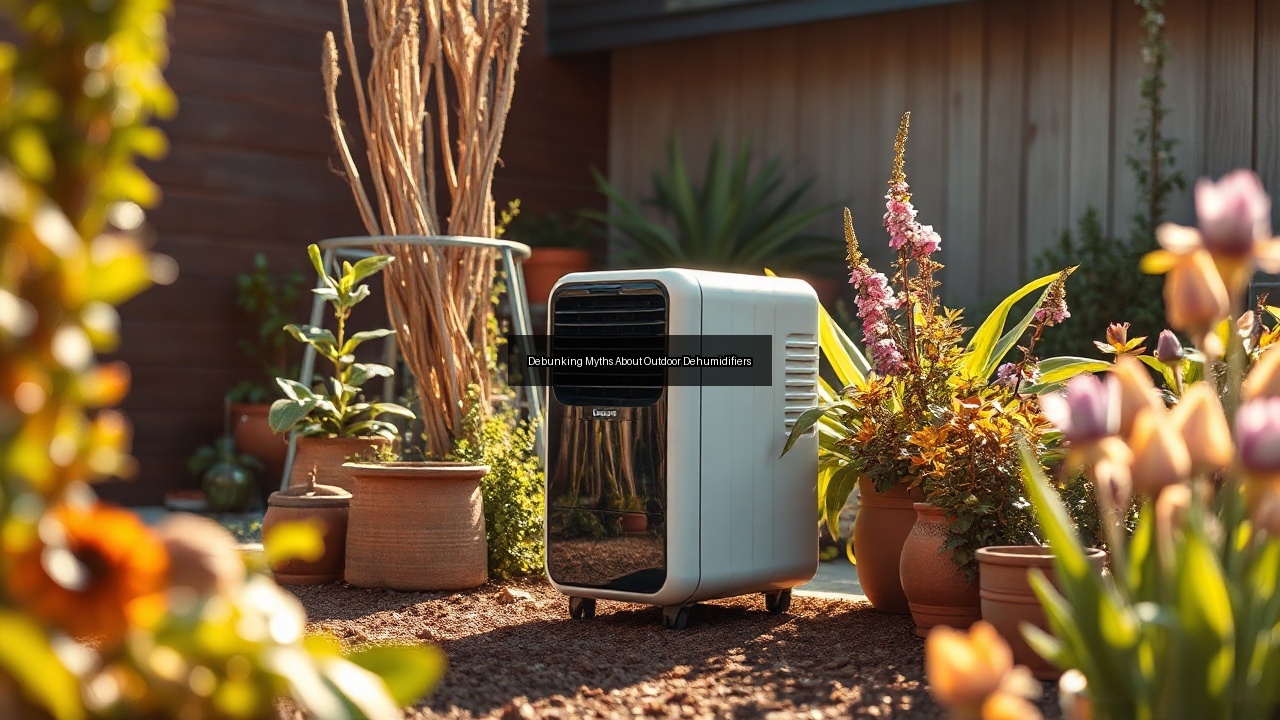
Understanding Outdoor Dehumidifiers and Their Function
How Outdoor Dehumidifiers Work
Outdoor dehumidifiers operate by extracting excess moisture from the air, which helps to maintain optimal humidity levels in outdoor spaces. These devices utilize a compressor, fan, and evaporator coil to draw in humid air. As the air passes over the cold evaporator coil, moisture condenses into water droplets, which collect in a tank or are expelled through a drainage system. The now dehumidified air is then released back into the environment. This continuous cycle effectively reduces humidity, preventing mold growth and improving overall air quality. Outdoor dehumidifiers are particularly useful in areas where humidity levels fluctuate significantly, such as near pools, patios, and basements. Their robust construction ensures they withstand outdoor conditions while providing reliable dehumidification.
The Science of Humidity and Moisture Control
Humidity refers to the amount of moisture present in the air. High humidity can lead to discomfort, mold growth, and structural damage. Understanding how moisture interacts with the environment is crucial for effective dehumidification. When the air temperature rises, it can hold more moisture. Conversely, when temperatures drop, this moisture condenses. Outdoor dehumidifiers counteract this process by maintaining lower humidity levels, which enhances comfort and protects outdoor furniture and structures from moisture damage. By controlling humidity, these devices help create a healthier environment and contribute to the longevity of outdoor materials.
Difference Between Indoor and Outdoor Dehumidifiers
Indoor and outdoor dehumidifiers serve the same fundamental purpose—removing excess moisture from the air. However, they differ significantly in design and application. Indoor dehumidifiers typically focus on smaller spaces and are designed for quieter operation, making them ideal for rooms in homes or offices. They often come with features like continuous drainage options and humidity sensors for automated operation. In contrast, outdoor dehumidifiers are built to handle larger volumes of air and withstand various weather conditions. They are robust, often equipped with higher-capacity tanks and powerful compressors to efficiently dehumidify expansive areas. Understanding these differences is vital when selecting the right dehumidifier for your needs.
Common Myths About Outdoor Dehumidifiers
Myth 1: Outdoor Dehumidifiers Are Not Energy Efficient
One prevalent myth about outdoor dehumidifiers is that they consume excessive energy, making them an inefficient choice. In reality, modern outdoor dehumidifiers come equipped with advanced energy-saving technologies, including Energy Star ratings. These models are designed to use electricity efficiently while delivering robust dehumidification performance. By focusing on energy efficiency, manufacturers allow users to maintain optimal humidity levels without incurring exorbitant electricity costs. Additionally, many outdoor dehumidifiers come with features like programmable timers and smart sensors that optimize operation based on environmental conditions, further enhancing energy efficiency. With the right model, users can enjoy effective moisture control without worrying about high energy bills.
Myth 2: They Only Work in Enclosed Spaces
Another common misconception is that outdoor dehumidifiers function solely in enclosed spaces. While it is true that indoor models thrive in sealed environments, outdoor dehumidifiers are specifically engineered to operate effectively in open areas. They draw in ambient air from the surroundings, making them suitable for various outdoor settings, such as patios, garages, and industrial sites. Their ability to manage humidity in these spaces is essential, particularly in humid climates where moisture can wreak havoc on outdoor furniture and equipment. By debunking this myth, users can better appreciate the versatility of outdoor dehumidifiers in combating humidity in both enclosed and open-air environments.
Myth 3: Outdoor Dehumidifiers Are Too Noisy
Noise levels often deter potential buyers from investing in outdoor dehumidifiers. Many assume that the operation of compressors and fans will create unbearable noise. However, manufacturers have made significant strides in noise reduction technologies. Many modern outdoor dehumidifiers operate quietly, allowing you to enjoy your outdoor space without distraction. The incorporation of sound-dampening materials and efficient motor designs has led to quieter operation, and many models operate at decibel levels similar to that of a typical conversation. Therefore, the myth that outdoor dehumidifiers are excessively noisy is largely unfounded. With advancements in technology, users can benefit from effective dehumidification without compromising their outdoor experience.
Choosing the Right Outdoor Dehumidifier
Factors to Consider: Size and Capacity
Selecting the ideal outdoor dehumidifier requires careful consideration of size and capacity. The capacity of a dehumidifier is typically measured in gallons per day, indicating how much moisture the unit can remove from the air. For outdoor spaces, it is crucial to choose a model that matches the area’s humidity levels and size. Larger spaces may require industrial outdoor dehumidifiers with higher gallon capacities, while smaller areas could benefit from compact models. Assessing the specific environment and moisture levels will help determine the appropriate size and capacity for optimal performance. A well-sized dehumidifier ensures efficient moisture control and helps maintain a comfortable outdoor experience.
Energy Star Ratings: What to Look For
Energy efficiency is a critical factor when selecting an outdoor dehumidifier. Look for models with Energy Star ratings, as these units meet strict energy efficiency guidelines set by the Environmental Protection Agency. Energy Star-rated dehumidifiers consume less electricity while delivering effective performance, making them an environmentally friendly choice. Additionally, these models often feature advanced technologies that optimize energy use based on humidity levels. By choosing an Energy Star-rated outdoor dehumidifier, users can enjoy the benefits of dehumidification without incurring high energy costs, contributing to both sustainability and cost savings.
The Importance of Warranty and Maintenance
A quality warranty can provide peace of mind when investing in an outdoor dehumidifier. A comprehensive warranty covers potential defects and offers protection against unexpected repairs. When evaluating models, consider the length and terms of the warranty, as well as the manufacturer’s reputation for customer service. Regular maintenance is equally important to ensure the longevity and efficiency of the dehumidifier. Routine cleaning of the tank, checking filters, and inspecting the compressor can enhance performance and prevent breakdowns. By prioritizing warranty coverage and maintenance, users can extend the life of their outdoor air dehumidifier dehumidifier and enjoy the benefits of effective moisture control.
Real-World Applications and Benefits
Dehumidification in Various Outdoor Settings
Outdoor dehumidifiers find applications in numerous settings, from residential patios to commercial outdoor spaces. In residential areas, they help protect furniture, plants, and structures from moisture damage, creating a comfortable environment for gatherings. In commercial settings, such as restaurants with outdoor dining areas, effective dehumidification enhances customer comfort and preserves the quality of outdoor fabrics and materials. Additionally, industrial outdoor dehumidifiers play best outdoor dehumidifierdehumidification a crucial role in construction sites, warehouses, and storage facilities by controlling humidity levels and preventing rust, mold, and mildew. These applications demonstrate the versatility and necessity of outdoor dehumidifiers in various environments.
Effectiveness in Large Capacity and Industrial Use
For large-scale operations, industrial outdoor dehumidifiers offer unparalleled effectiveness in moisture control. These high-capacity units are specifically designed to handle significant volumes of air and moisture, making them ideal for factories, warehouses, and other expansive spaces. Their robust construction and advanced technologies ensure reliable performance even in challenging conditions. By efficiently reducing humidity levels, industrial dehumidifiers protect sensitive equipment, preserve materials, and enhance worker comfort. Organizations that prioritize humidity control can improve productivity and reduce downtime caused by moisture-related issues.
Enhancing Air Quality and Comfort
Outdoor dehumidifiers significantly enhance air quality and overall comfort. By controlling humidity levels, these devices prevent the growth of mold and mildew, which can compromise health and well-being. Improved air quality leads to a more pleasant outdoor experience, whether at home or in commercial settings. Additionally, maintaining optimal humidity levels can reduce allergens and irritants in the air, promoting a healthier environment for everyone. The financial investment in an outdoor dehumidifier pays off in terms of improved air quality, increased comfort, and protection against moisture damage, making it a valuable addition to any outdoor space.